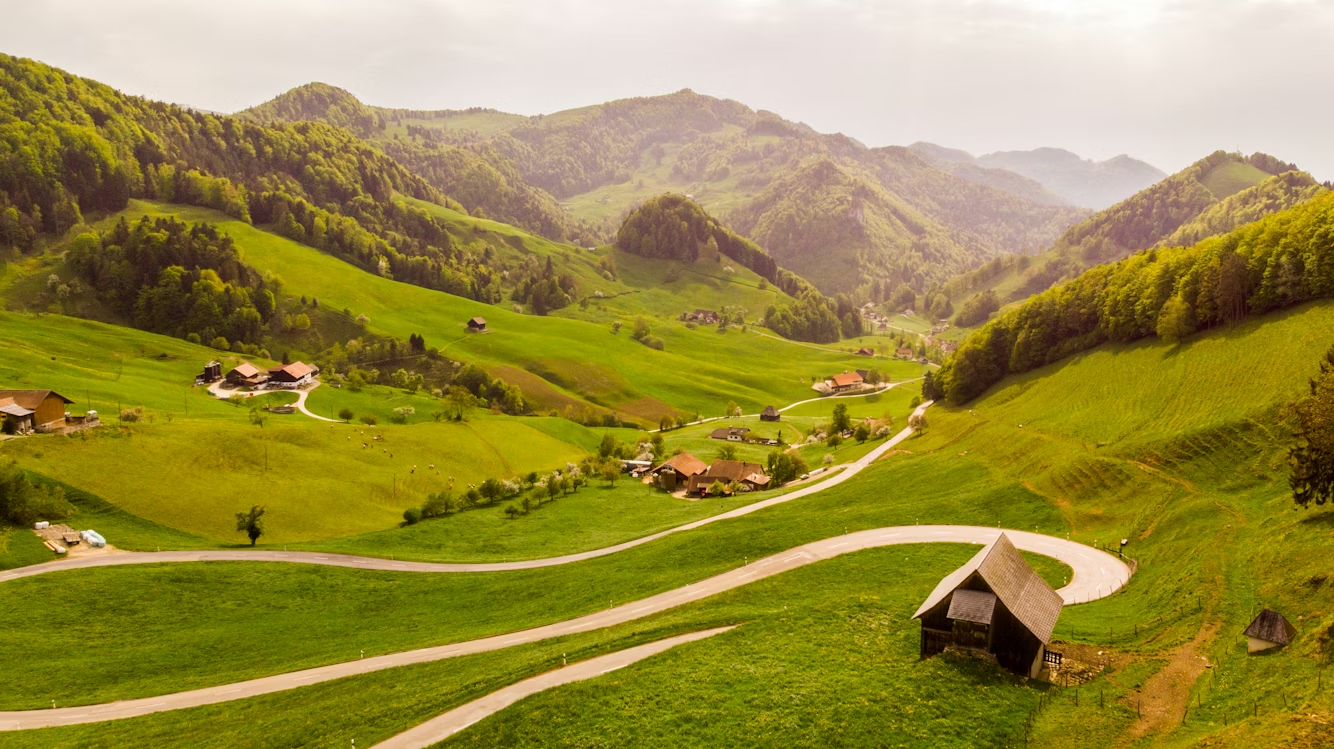
If you have ever lived in a city long enough, the idea of rural life starts to feel like relief. Fewer people, more space, quieter mornings, and a sense that life might finally slow down. From a distance, the move looks simple. Pack up, drive out, breathe deeper. The truth is, more and more people are choosing this life these days.
According to data from the USDA, the population in rural counties rose by over 134,000 between 2023 and 2024. Apparently, this increase came after nearly a decade of population loss. Domestic migration to rural areas was responsible for 69% of the population rise.
However, what often gets missed is that leaving a city is not only about changing your address. You are stepping away from systems that quietly supported your day without you noticing. Today, let’s find out how tough it is to actually get used to rural life, and what exactly makes it so challenging.
Why Are People Going Rural in the First Place?
A big part of the pull comes from a growing interest in homesteading and self-sufficiency. This is a lifestyle of being self-sufficient, typically via farming and gardening on rural land. The best part is that people of all ages engage in homesteading.
Business Insider highlighted data from a poll of almost 4,000 homesteaders and found that almost half were under 39 years of age. Older members like Chuck Anderson, 61, explain that homesteading is about being in a position where you can survive independently.
For others like John and Tara Newby, it’s a way to spend more time outside. This also came with the bonus of allowing their kids to grow up a little wilder and freer. Essentially, moving to rural areas seems to stem from a desire to feel involved in daily life again.
Growing food, fixing things, and living closer to the land give many people a sense of participation they felt was missing in the city. That motivation can carry people far, at least at the beginning. Unfortunately, life outside isn’t always what it’s made out to be, as we’ll find out next.
Rural Life Promises Better Health, but Does It Really Deliver?
Rural life is often described as healthier, and in some ways it can be. The lack of noise, lower stress from crowds, and more outdoor time do help you. These are undeniable perks, but the government does take a few more liberties in rural areas than it does around cities.
For instance, you’ll often see heavy cargo railway lines pass through rural areas. The pollution from them would disrupt busy city residents, so they’re kept far from developed areas.
As a result, many people in small communities and towns deal with toxic chemicals in an otherwise clean environment. Studies have shown that uncovered railcars carrying coal are responsible for a host of health issues. These include asthma, cardiovascular disease, pneumonia, and stroke, alongside lung and other organ cancers. Unsurprisingly, this has led to several railroad cancer lawsuit cases being filed over the years.
According to Gianaris Trial Lawyers, the victims also involve the workers in and around locomotives. Many of these workers are exposed to carcinogens like benzene, asbestos, and diesel exhaust. Given the lack of quality healthcare, many of them rarely get the medical advice and treatment they need,
There is also a quieter emotional weight that comes with managing health in rural settings. When something feels off, you are more aware that help is not immediately around the corner. For many newcomers, this reality only becomes clear after settling in. The land may feel open, but the margin for error is often dangerously small.
The Lack of Digital Connectivity Can Really Get to You
For many people, the toughest adjustment has nothing to do with farming, weather, or isolation. It comes down to connectivity. Sadly, this is one aspect that rural areas have yet to solve fully.
One piece on The Guardian, ominously titled “Internet providers have left rural Americans behind,” hints at the severity in some places. The piece focuses on Orangeburg, a South Carolina county that’s among hundreds of other rural counties ignored by commercial broadband providers. Jim Stritzinger, director of S.C.’s office of broadband, noted that a town without internet today is like one without electricity in the 30s.
The fact is that poor connectivity can make your entire homesteading experiment feel super fragile. If you’re working a remote job, it can make things stressful when you have deadlines and the internet goes out. Your kids may need the internet as well for online lessons and homework, but repairs can often take several days or even weeks.
What makes this especially hard is that connectivity problems are persistent. You cannot fix them with effort or patience alone. For many, this becomes the deciding factor in whether rural life is sustainable long-term. The quiet and space remain appealing, but constant friction wears people down.
Frequently Asked Questions
1. How to adjust to rural life?
Adjusting to rural life starts with slowing your expectations. Plan errands instead of making quick trips, get comfortable with doing more things yourself, and build relationships with neighbors. The adjustment is less about location and more about learning patience and self-reliance.
2. Why is rural life better than city life?
Rural life can feel better if you value space, quiet, and control over your time. There is less noise, fewer crowds, and more connection to your surroundings. For many people, the slower pace reduces stress and makes everyday life feel more intentional.
3. What are the 5 disadvantages of living in a rural area?
Living rurally often means limited healthcare access, fewer job options, slower internet, long drives for basic needs, and less social variety. Small inconveniences can add up, especially if you are used to city-level convenience and constant services.
To put it simply, rural life is still worth it if you fully understand the kind of challenges it poses. The recent rise in rural migration shows that many people believe the trade-offs are worth it. Just remember that everything has a price.
In the city, it’s certainly more convenient, but it feels like the important things in life take a back seat. In a rural setting, it’s the opposite. If you’re able to cope with the realities of rural life, you can still have an incredibly fulfilling experience.